
IBACTP® — International Board of AI, Cybersecurity & Technology Professionals
Networking Resources

Protocols & Technologies

Understanding the Language of Networking

The IBACTP® Protocols & Technologies Resource Center helps professionals understand how modern networks move data, resolve names, assign addresses, establish routes, enforce performance, and support applications.

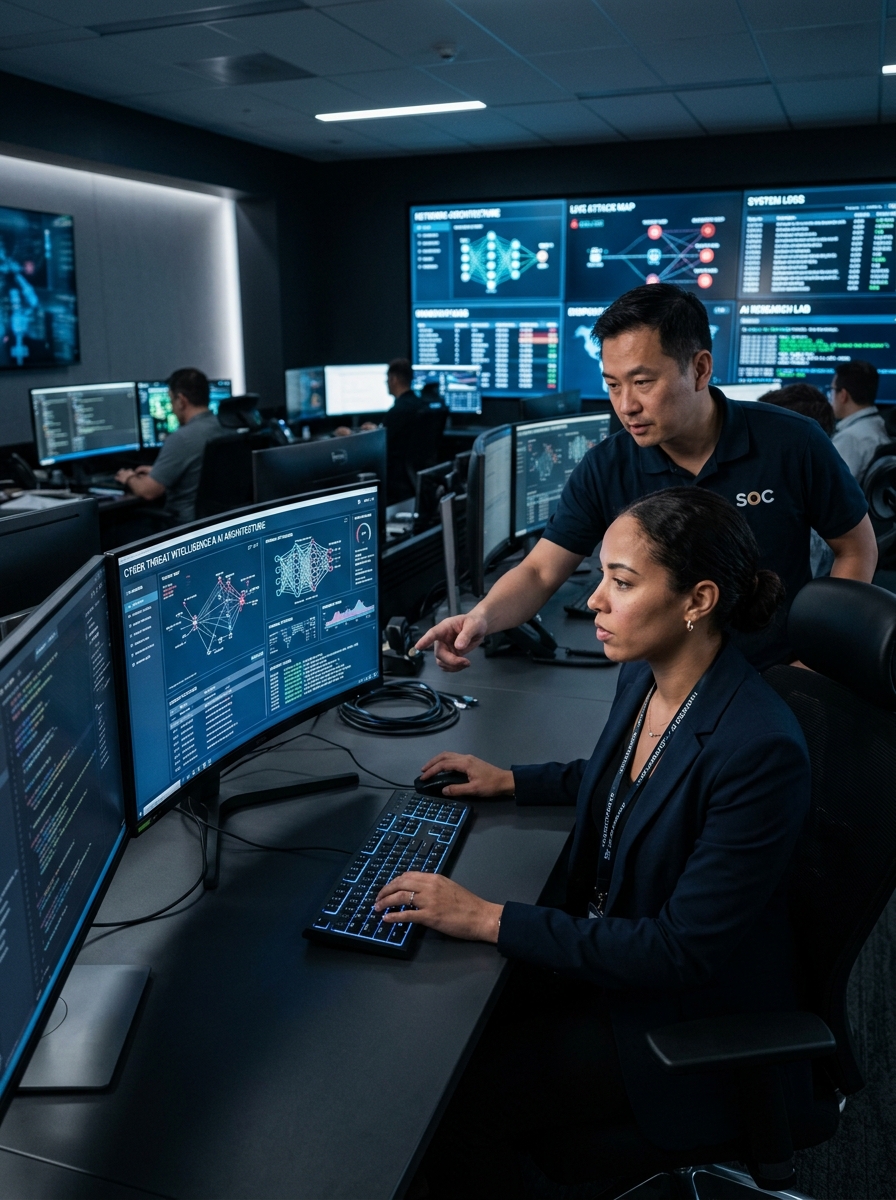
Enterprise network and data-centre infrastructure
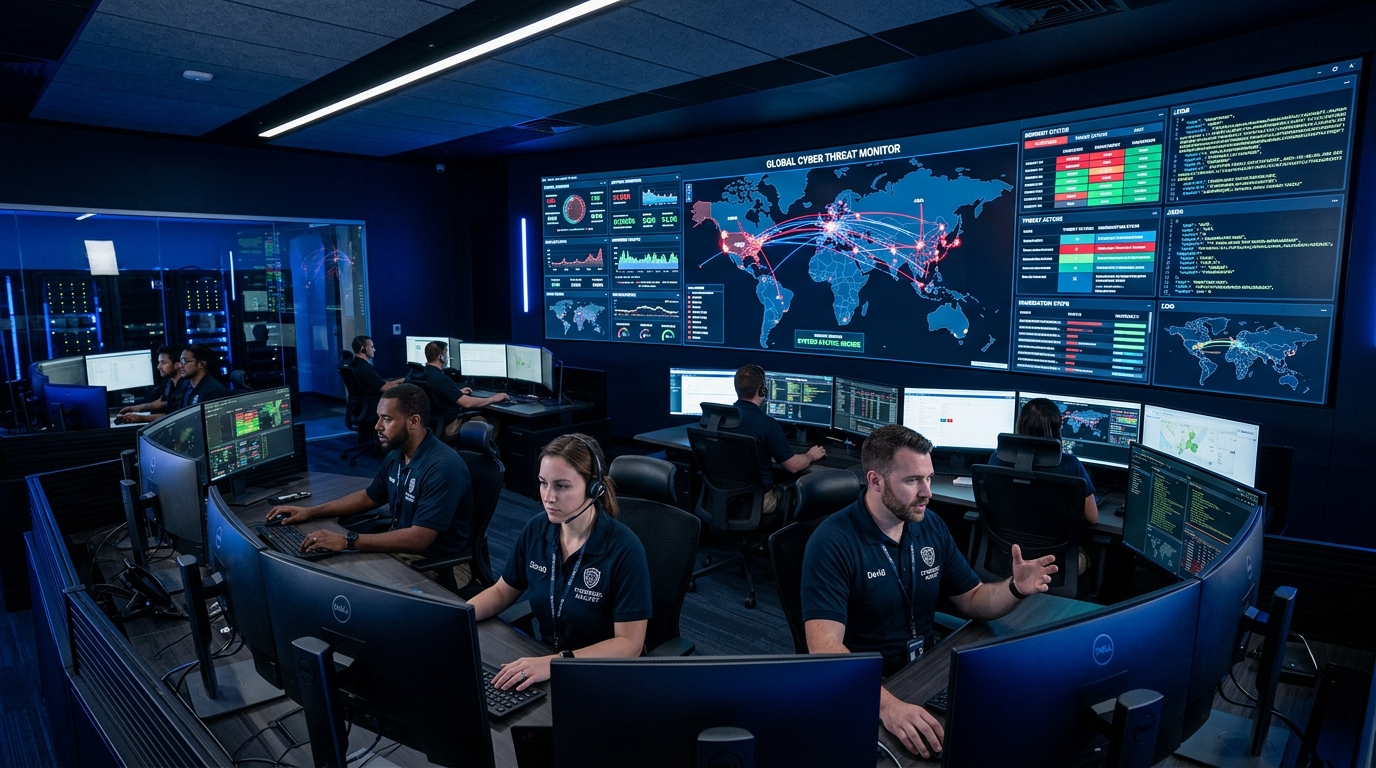
Network operations and monitoring
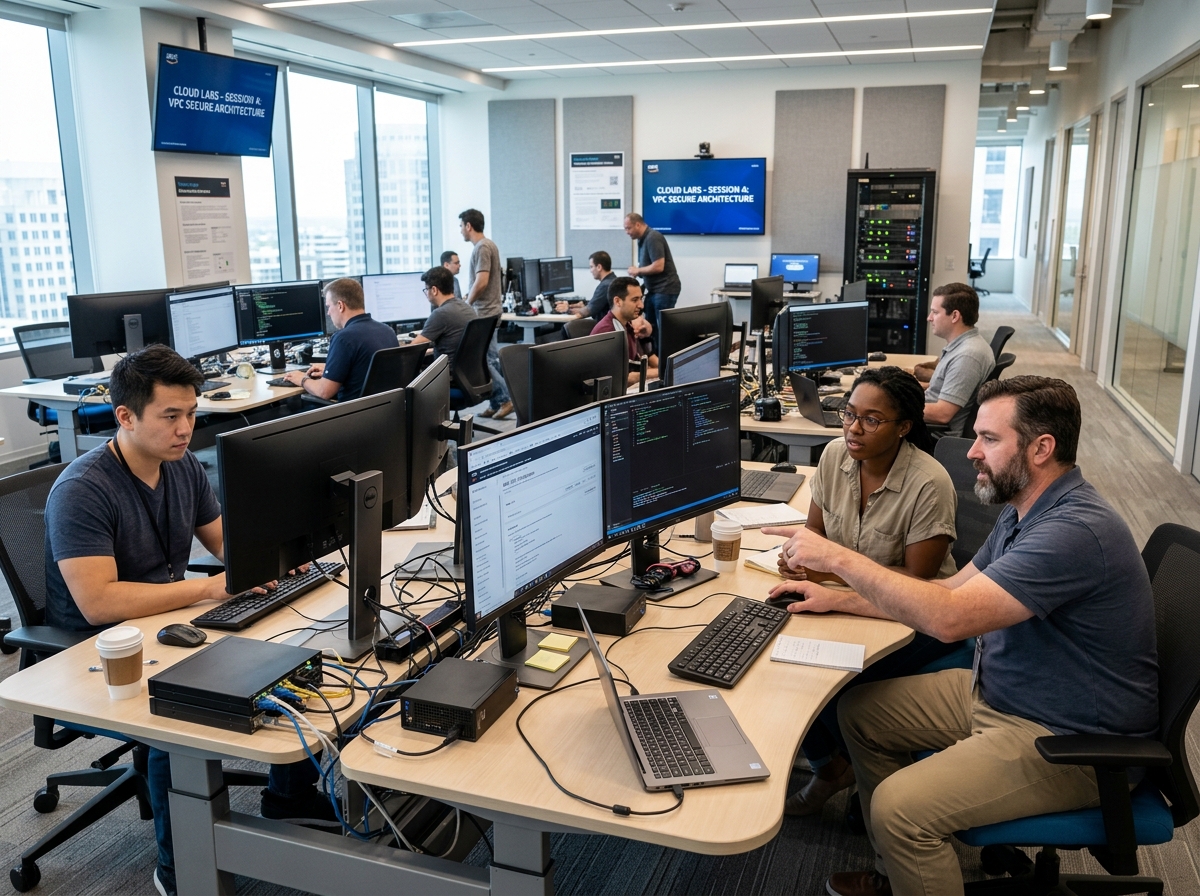
Hands-on networking laboratory
Networking Protocols & Technologies
Networking resource centers

Select a center to explore guidance, standards and practitioner resources

Resource Library

Understanding the Language of Networking

Cybersecurity Soc Analysts
01

Understanding the Language of Networking

Protocols allow networks to communicate reliably and predictably.

The IBACTP® Protocols & Technologies Resource Center helps professionals understand how modern networks move data, resolve names, assign addresses, establish routes, enforce performance, and support applications.

TCP/IP

Core concepts include:

  • IPv4
  • IPv6
  • TCP
  • UDP
  • ICMP
  • ARP
  • DNS
  • DHCP
It Governance Grc Board Review
02

SWITCHING

Networking professionals should understand:

  • Ethernet
  • MAC addresses
  • VLANs
  • Trunks
  • STP
  • Link aggregation
  • Layer 2 redundancy

ROUTING

Cloud Infrastructure Data Center
03

OSPF

Common enterprise routing protocol.

Important concepts include:

  • Areas
  • Neighbors
  • LSAs
  • Cost
  • Convergence
Handson Tech Lab Cohort
04

BGP

Foundational to internet routing.

Important concepts include:

  • Autonomous systems
  • Peering
  • Prefix advertisement
  • Policy
  • Path selection
Government Defense Cyber Briefing
05

IPV6

IPv6 provides significantly expanded address space.

Important areas include:

  • Global unicast
  • Link-local
  • Multicast
  • Neighbor Discovery
  • SLAAC
  • Prefix planning
  • Dual stack

NETWORK SERVICES

DHCP
Automatically assigns network configuration.
DNS
Resolves names to resources.
NTP
Maintains accurate time.
SNMP
Supports monitoring and management.
Syslog
Centralizes event logging.
Technology governance and risk review
06

SD-WAN

Software-defined WAN simplifies management across multiple transport types.

Potential benefits include:

  • Centralized policy
  • Application-aware routing
  • Better visibility
  • Cloud integration
  • Simplified branches
Cybersecurity Threat Intelligence Hub
07

SOFTWARE-DEFINED NETWORKING

SDN enables more centralized and programmable network control.

Relevant technologies include:

  • APIs
  • Controllers
  • NETCONF
  • RESTCONF
  • YANG
  • Automation
Remote Online Proctoring Verification
08

VXLAN & EVPN

These technologies support scalable overlays in modern data-center and campus networks.

Modern Workspace Office
09

QUALITY OF SERVICE

QoS helps ensure critical applications receive appropriate treatment.

Examples include:

  • Voice
  • Video
  • Collaboration
  • Control traffic
  • Business-critical applications
Data Analytics Bi Visualization Lab
10

VPN TECHNOLOGIES

Common approaches include:

  • IPsec
  • SSL/TLS VPN
  • Site-to-site VPN
  • Remote-access VPN

EXPLORE PROTOCOLS & TECHNOLOGIES

Networking Resources

Turn Guidance Into Verified Competence

Pair these resources with an IBACTP® credential that validates the competence they describe.