


IBACTP® — International Board of AI, Cybersecurity & Technology Professionals
Career & Professional Development Resources

Competency Frameworks

Standardized Workforce Frameworks & Knowledge Bodies

Workforce frameworks provide a common language and standardized taxonomy for defining technology work roles, knowledge requirements, and skill proficiencies. They bridge the gap between academic education, corporate job descriptions, and professional certifications.

Professional mentorship and career guidance
Hands-on skills development cohort
Workforce development collaboration
Career & Professional Development Competency Frameworks
Career & Professional Development resource centers

Select a center to explore guidance, standards and practitioner resources

Resource Library

Standardized Workforce Frameworks & Knowledge Bodies

Cybersecurity Soc Analysts
01

Standardized Workforce Frameworks & Knowledge Bodies

Workforce frameworks provide a common language and standardized taxonomy for defining technology work roles, knowledge requirements, and skill proficiencies. They bridge the gap between academic education, corporate job descriptions, and professional certifications.

The IBACTP® Competency Frameworks Center aligns its curriculum with globally recognized workforce classification systems.
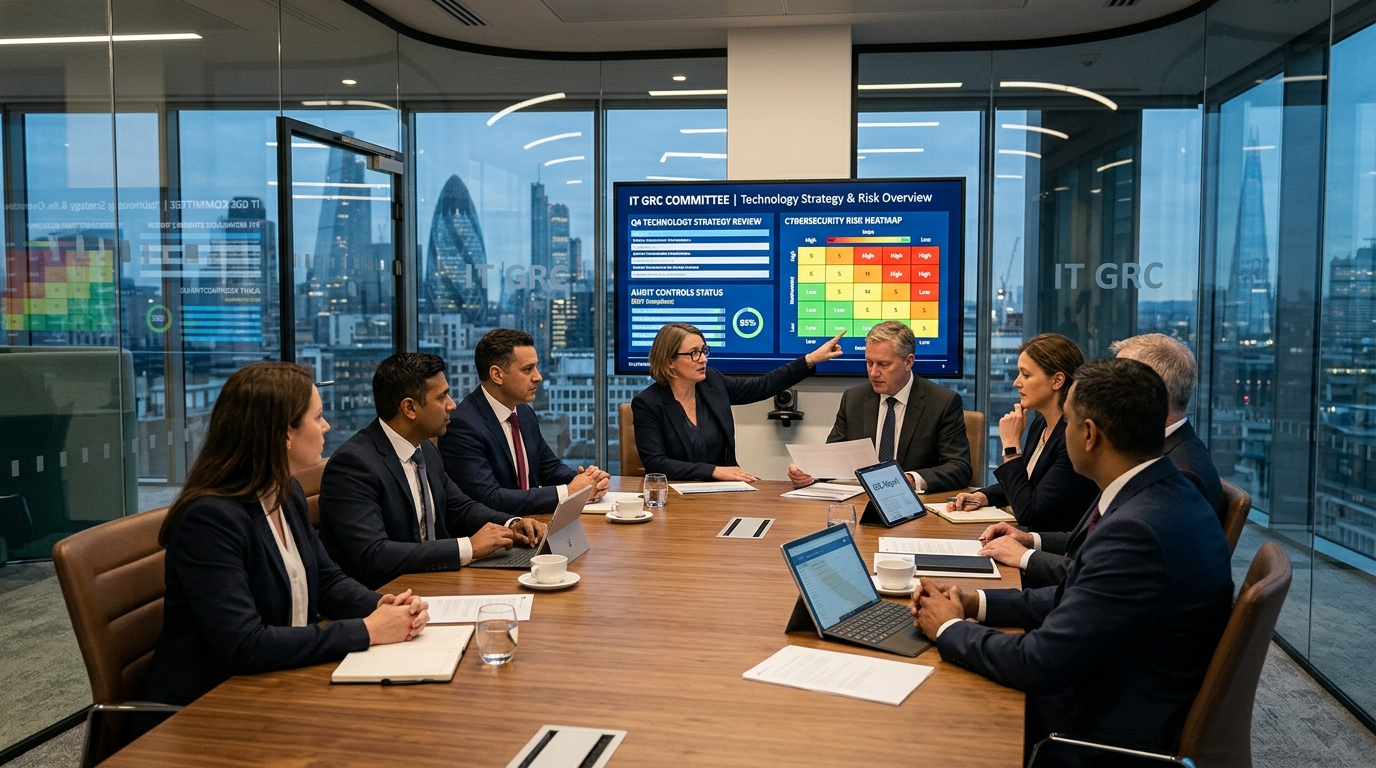

It Governance Grc Board Review
02

THE NIST NICE WORKFORCE FRAMEWORK (SP 800-181)

The National Initiative for Cybersecurity Education (NICE) Framework organizes cybersecurity work into categories, specialty areas, and work roles:

NICE Framework Core Constructs

  • Knowledge (K): Foundational information required to perform a specific technical action.
  • Skill (S): Observable competence to execute a task using defined tools or techniques.
  • Task (T): Specific work activity assigned to an individual role (e.g., 'Analyze network traffic logs').
  • Work Role: Specialized grouping of tasks, knowledge, and skills into recognizable job functions.
Cloud Infrastructure Data Center
03

SFIA — SKILLS FRAMEWORK FOR THE INFORMATION AGE

For broader digital technology, software development, and AI engineering roles, IBACTP® references SFIA's globally accepted skills taxonomy:

SFIA Responsibility Levels

  • Level 1: Follow (basic execution under direct supervision).
  • Level 2: Assist (routine tasks with limited discretion).
  • Level 3: Apply (autonomous execution in straightforward contexts).
  • Level 4: Enable (technical guidance and team mentorship).
  • Level 5: Ensure / Advise (domain leadership and architectural accountability).
  • Level 6: Initiate / Influence (organizational strategy and policy definition).
  • Level 7: Set Strategy / Inspire (executive leadership and enterprise governance).
Career & Professional Development Resources

Turn Guidance Into Verified Competence

Pair these resources with an IBACTP® credential that validates the competence they describe.