

IBACTP® — International Board of AI, Cybersecurity & Technology Professionals
Emerging Technology Resources

IoT & Edge Computing

Connect the Physical World to Intelligent Digital Systems

The Internet of Things (IoT) connects physical devices to digital networks so they can sense, communicate, collect data, respond to events, and increasingly support automated decisions.

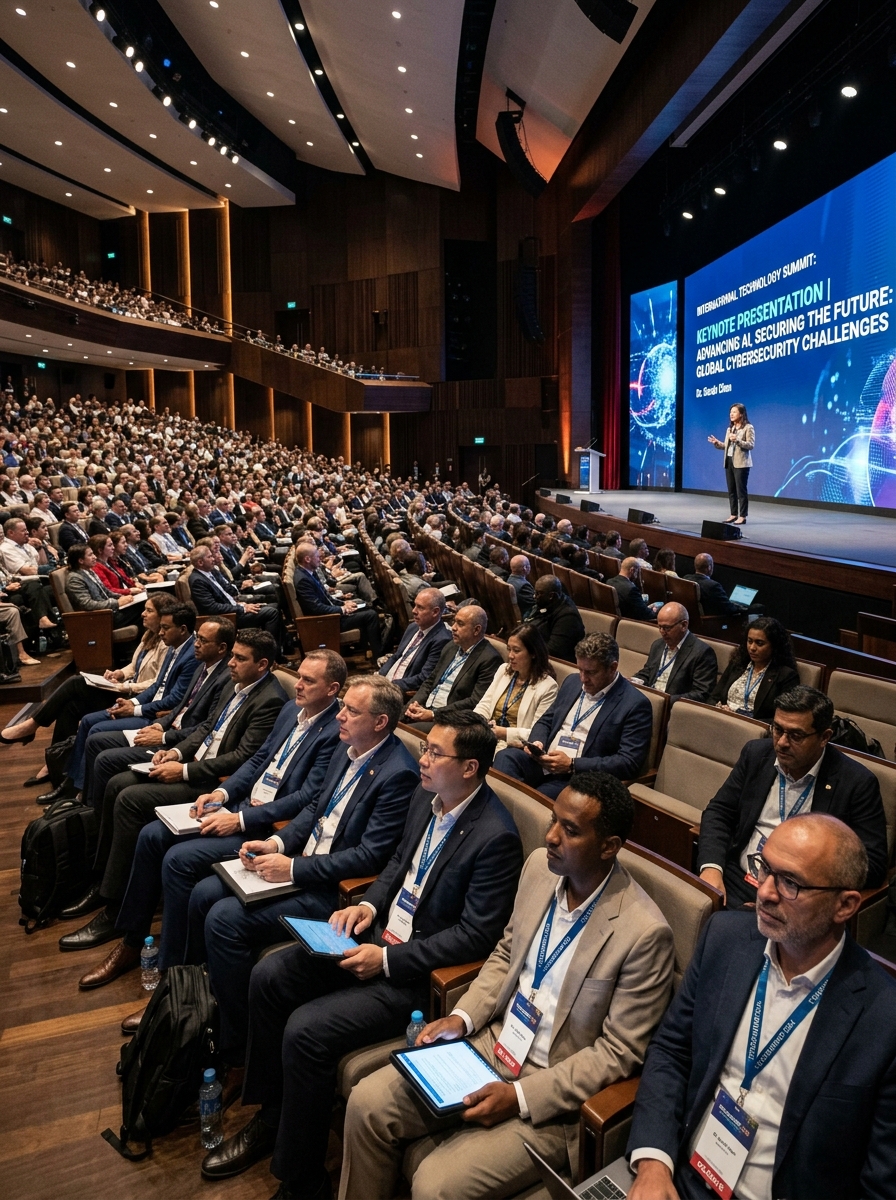
Global technology summit on emerging technology
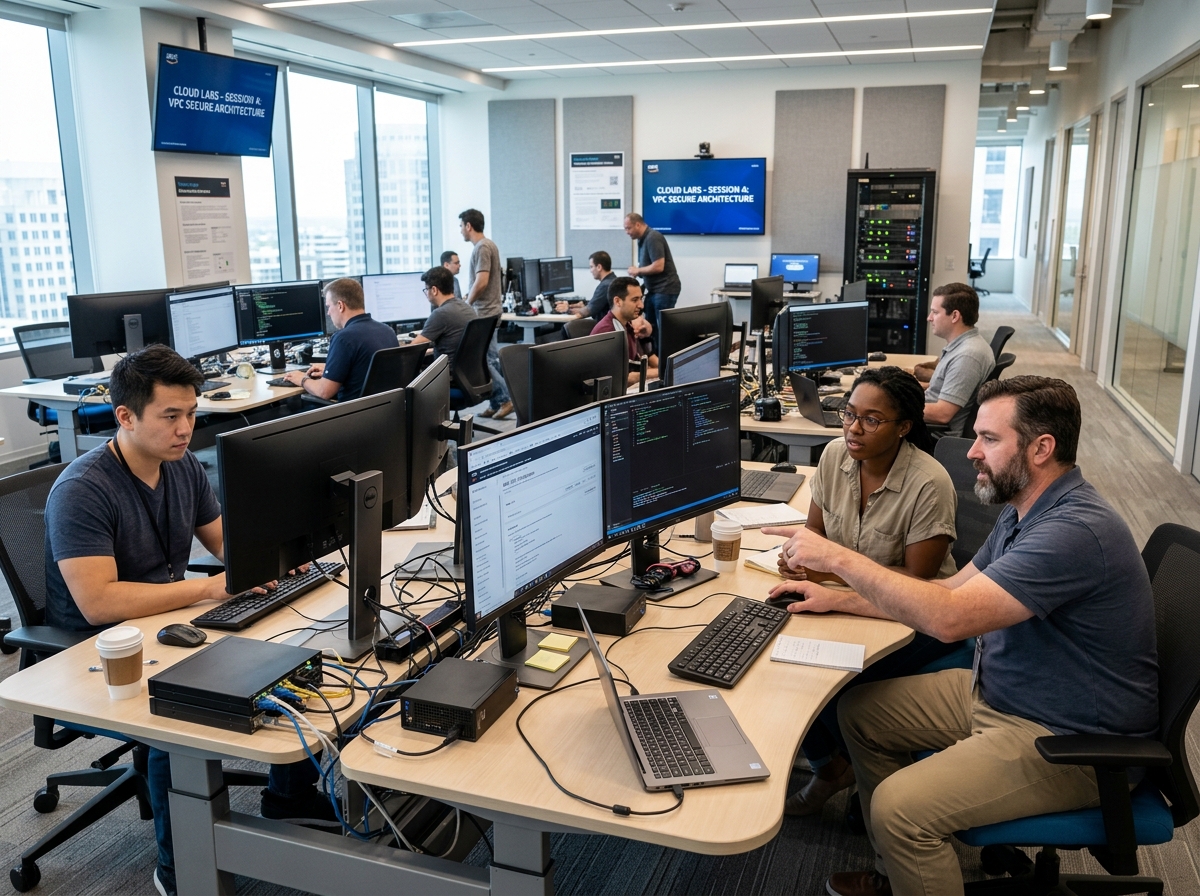
Emerging technology research laboratory
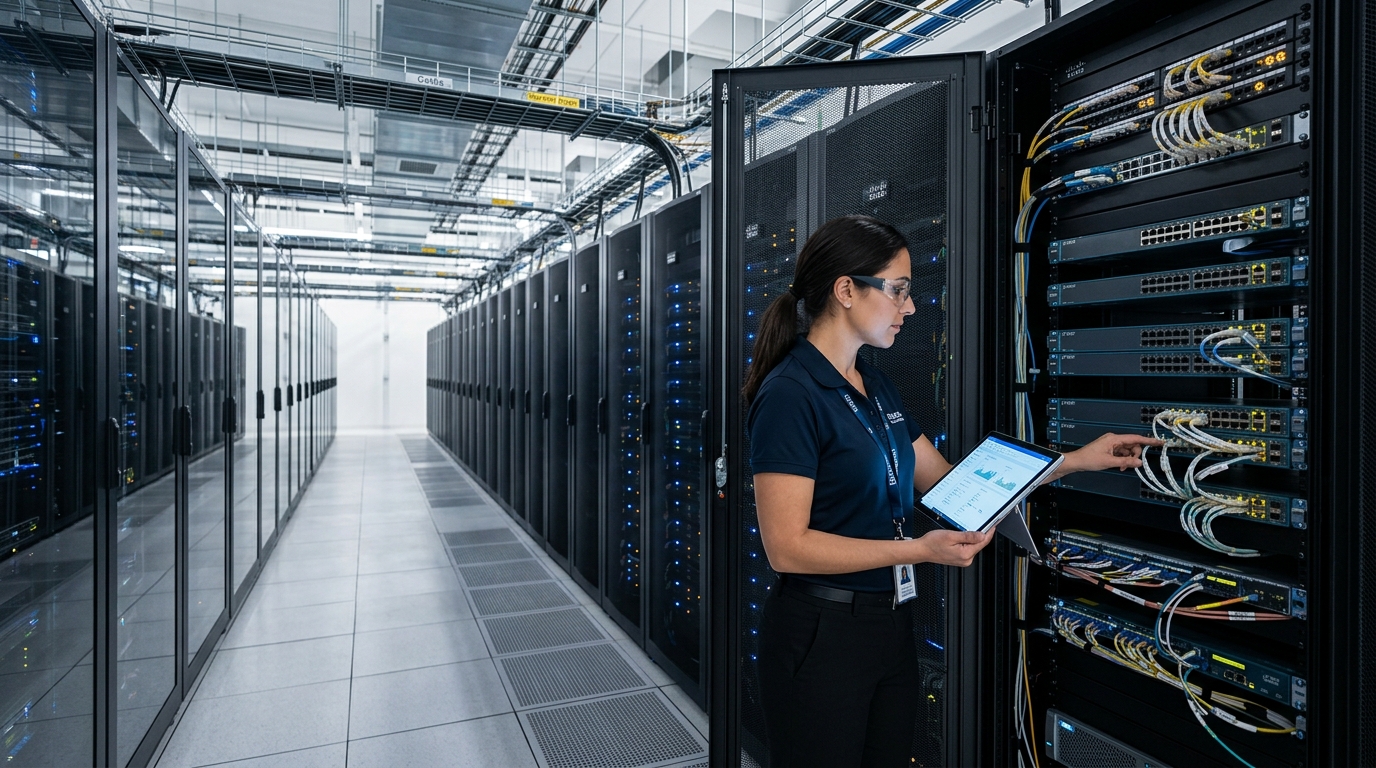
Edge and cloud infrastructure
Emerging Technology IoT & Edge Computing
Emerging Technology resource centers

Select a center to explore guidance, standards and practitioner resources

Resource Library

Connect the Physical World to Intelligent Digital Systems

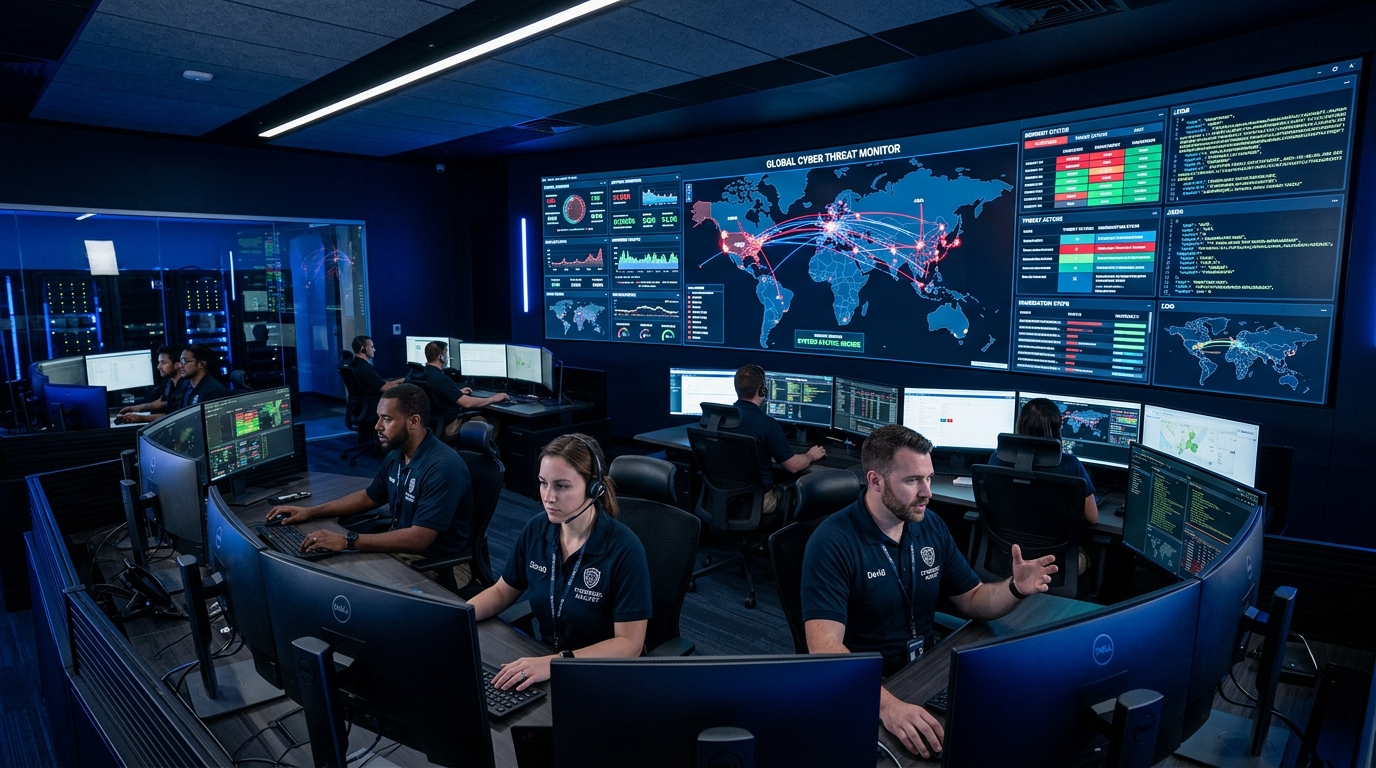
Cybersecurity Soc Analysts
01

Connect the Physical World to Intelligent Digital Systems

The Internet of Things (IoT) connects physical devices to digital networks so they can sense, communicate, collect data, respond to events, and increasingly support automated decisions.

IoT is transforming:

  • Manufacturing
  • Healthcare
  • Energy
  • Agriculture
  • Logistics
  • Transportation
  • Retail
  • Smart buildings
  • Smart cities
  • Homes
  • Supply chains

The IBACTP® IoT & Edge Computing Center explores the technologies, architectures, cybersecurity risks, operational models, and business opportunities surrounding connected systems.

It Governance Grc Board Review
02

THE IoT VALUE CHAIN

A modern IoT environment may operate through:

  • DEVICE
  • SENSOR
  • CONNECTIVITY
  • EDGE
  • PLATFORM
  • DATA
  • ANALYTICS
  • AI
  • ACTION
Cloud Infrastructure Data Center
03

IoT DEVICES

Connected environments may include:

  • Cameras
  • Smart meters
  • Sensors
  • Industrial controllers
  • Vehicles
  • Wearables
  • Medical devices
  • Robotics
  • Agricultural equipment
  • Logistics trackers
  • Smart building systems

The value of IoT comes from connecting physical activity to digital insight.

INDUSTRIAL IoT

Handson Tech Lab Cohort
04

Make Operations More Intelligent

Industrial IoT enables organizations to connect physical production and operational systems.

Applications include:

  • Predictive maintenance
  • Equipment monitoring
  • Quality control
  • Production optimization
  • Safety monitoring
  • Energy management
  • Asset utilization

Industrial environments require particularly strong attention to:

  • Reliability
  • Availability
  • Safety
  • Cybersecurity
  • Legacy systems
  • Network segmentation

EDGE COMPUTING

Government Defense Cyber Briefing
05

Process Data Where It Matters Most

Edge computing brings compute resources closer to:

  • Sensors
  • Devices
  • Users
  • Industrial equipment
  • Operational environments

This supports use cases where speed matters.

Technology governance and risk review
06

Edge Benefits

  • Lower latency
  • Faster response
  • Reduced cloud dependency
  • Reduced bandwidth
  • Improved local resilience
  • Greater privacy

EDGE + CLOUD

These technologies are complementary.

Cybersecurity Threat Intelligence Hub
07

EDGE

Best for:

  • Real-time decisions
  • Local autonomy
  • Low-latency processing
  • Data reduction
Remote Online Proctoring Verification
08

CLOUD

Best for:

  • Large-scale storage
  • Centralized analytics
  • Aggregated intelligence
  • Enterprise applications

A typical architecture may be:

  • DEVICE
  • EDGE
  • CLOUD
  • ANALYTICS
  • ACTION
Modern Workspace Office
09

EDGE AI

Edge AI places machine learning and AI closer to devices.

Examples include:

  • Defect detection
  • Smart cameras
  • Predictive maintenance
  • Healthcare monitoring
  • Autonomous equipment
  • Retail analytics

This can reduce the need to send all raw data to centralized platforms.

IoT SECURITY

Data Analytics Bi Visualization Lab
10

Every Connected Device Expands the Attack Surface

IoT risks can include:

  • Weak passwords
  • Insecure firmware
  • Unpatched devices
  • Poor authentication
  • Exposed interfaces
  • Insecure protocols
  • Weak encryption
  • Third-party dependencies

Security should address the entire device lifecycle.

IoT SECURITY LIFECYCLE

DISCOVER

Identify all connected devices.

CLASSIFY

Understand purpose, ownership, and risk.

SECURE

Apply appropriate configuration and access control.

SEGMENT
Limit unnecessary network access.
MONITOR
Detect unusual behavior.
PATCH
Maintain firmware and software.
RETIRE
Securely remove unsupported devices.
More in this section
SMART INFRASTRUCTURE Read this

IoT and edge systems are increasingly used in:

  • Smart buildings
  • Transportation
  • Energy
  • Water
  • Public infrastructure
  • Environmental monitoring

These environments require strong resilience because technology failure can affect physical operations.

IoT & EDGE QUESTIONS FOR LEADERS Read this

How many connected devices do we operate?

Who owns them?

Can all devices be patched?

Which devices are business critical?

Are they segmented?

What information do they collect?

Where is the information processed?

What happens if connectivity fails?

Are vendors maintaining device security?

Are unsupported devices still active?

EXPLORE IoT & EDGE COMPUTING

Emerging Technology Resources

Turn Guidance Into Verified Competence

Pair these resources with an IBACTP® credential that validates the competence they describe.