

IBACTP® — International Board of AI, Cybersecurity & Technology Professionals
Emerging Technology Resources

Emerging Tech Trends

See Beyond the Hype. Focus on What Creates Value.

The IBACTP® Emerging Tech Trends Center helps professionals distinguish between short-term excitement and technologies with the potential to create long-term organizational impact.

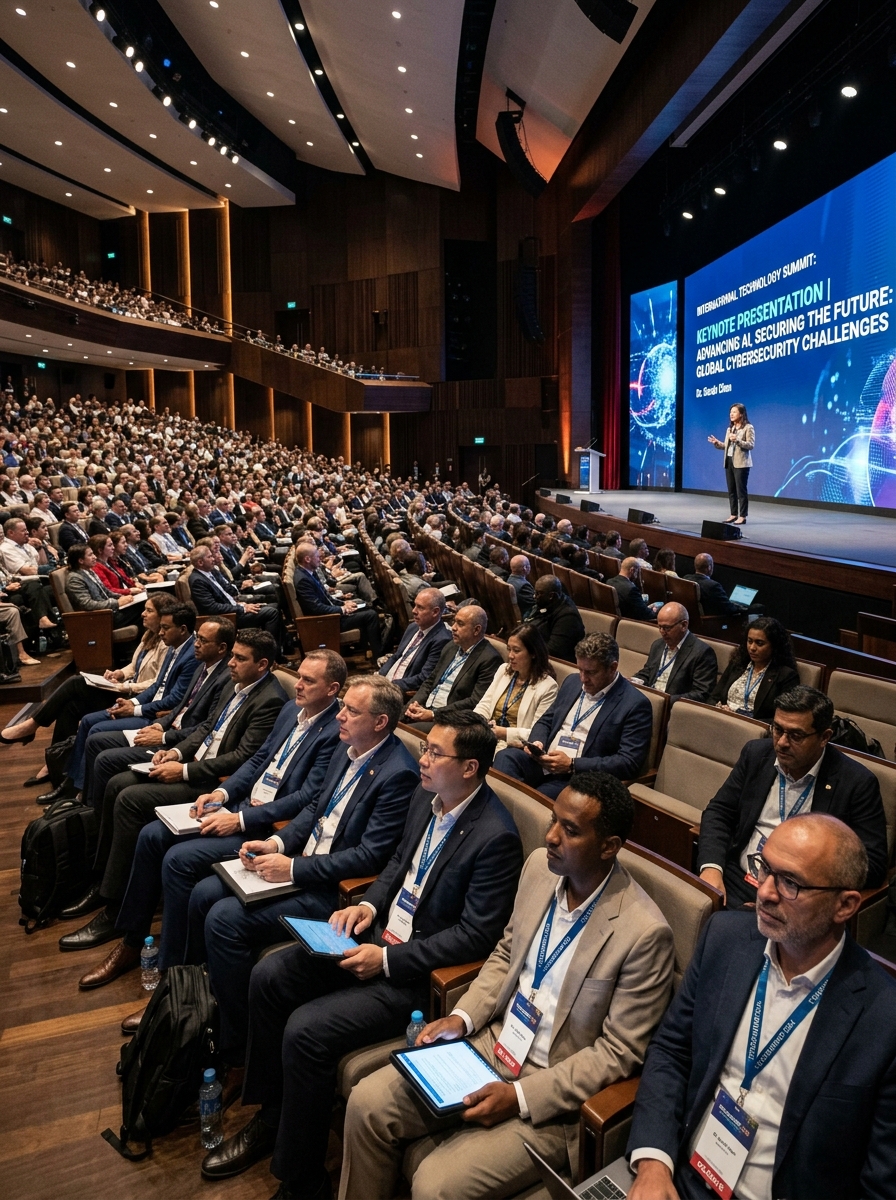
Global technology summit on emerging technology
Emerging technology research laboratory
Edge and cloud infrastructure
Emerging Technology Emerging Tech Trends
Emerging Technology resource centers

Select a center to explore guidance, standards and practitioner resources

Resource Library

See Beyond the Hype. Focus on What Creates Value.

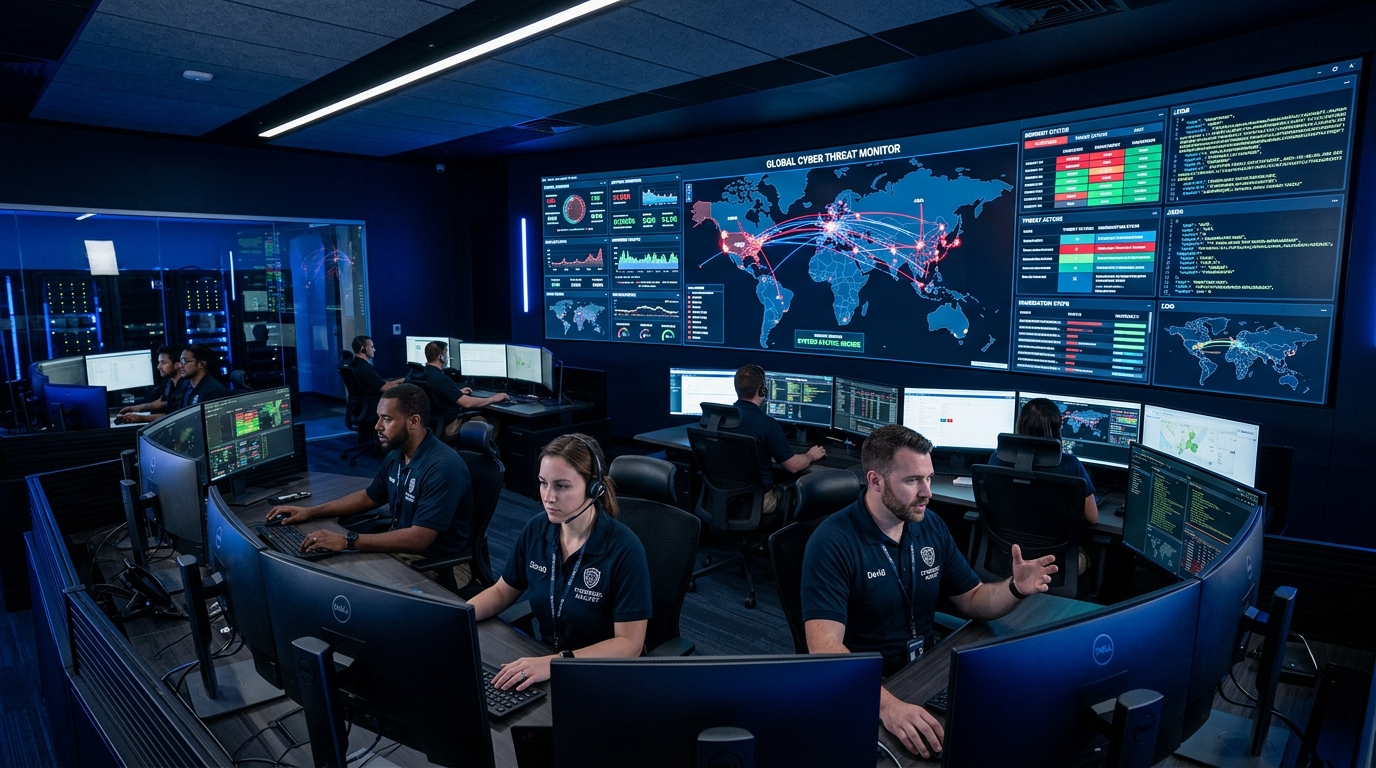
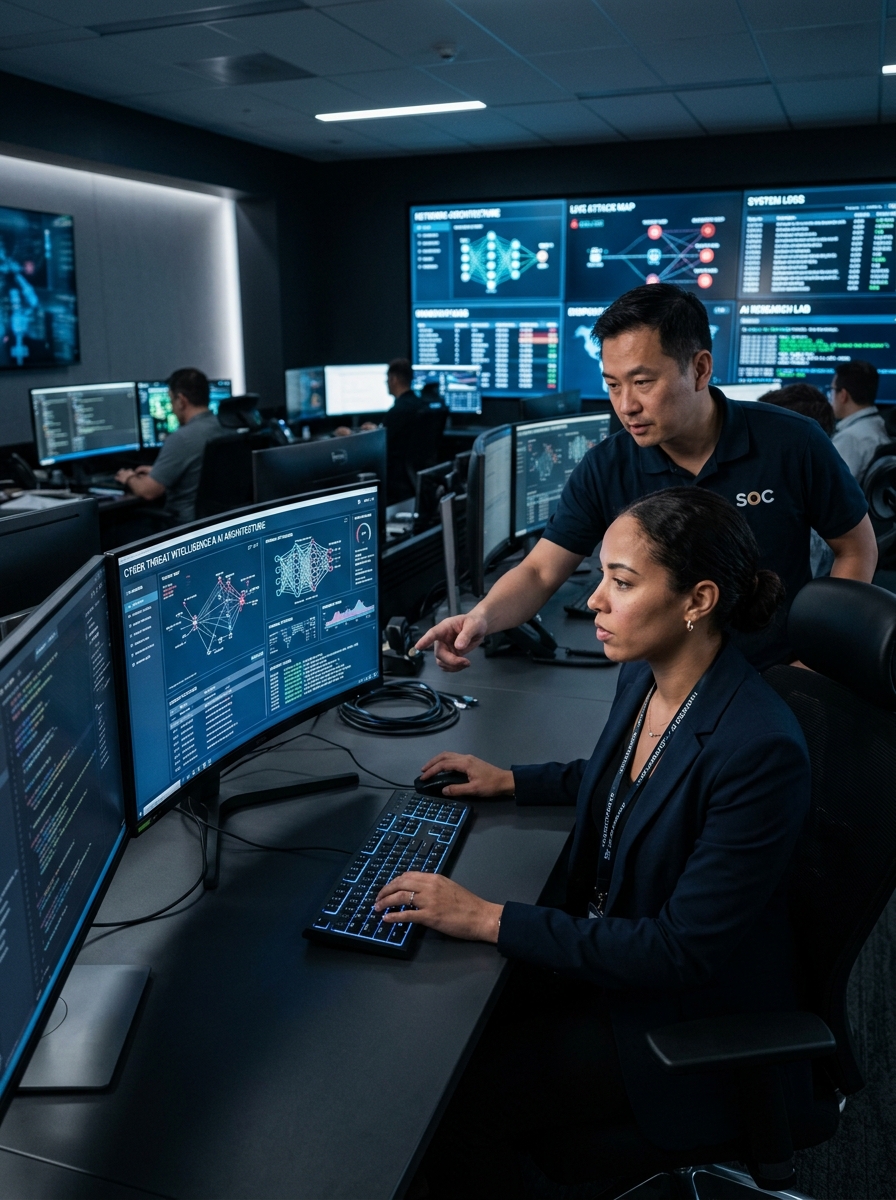
Cybersecurity Soc Analysts
01

See Beyond the Hype. Focus on What Creates Value.

Technology trends are everywhere.

Strategic technology insight is much harder to find.

The IBACTP® Emerging Tech Trends Center helps professionals distinguish between short-term excitement and technologies with the potential to create long-term organizational impact.

Rather than asking only:

“What technology is trending?”

Professionals should ask:

“What is changing, how mature is it, what value could it create, and what should we do about it?”
TECHNOLOGY TRENDS TO WATCH

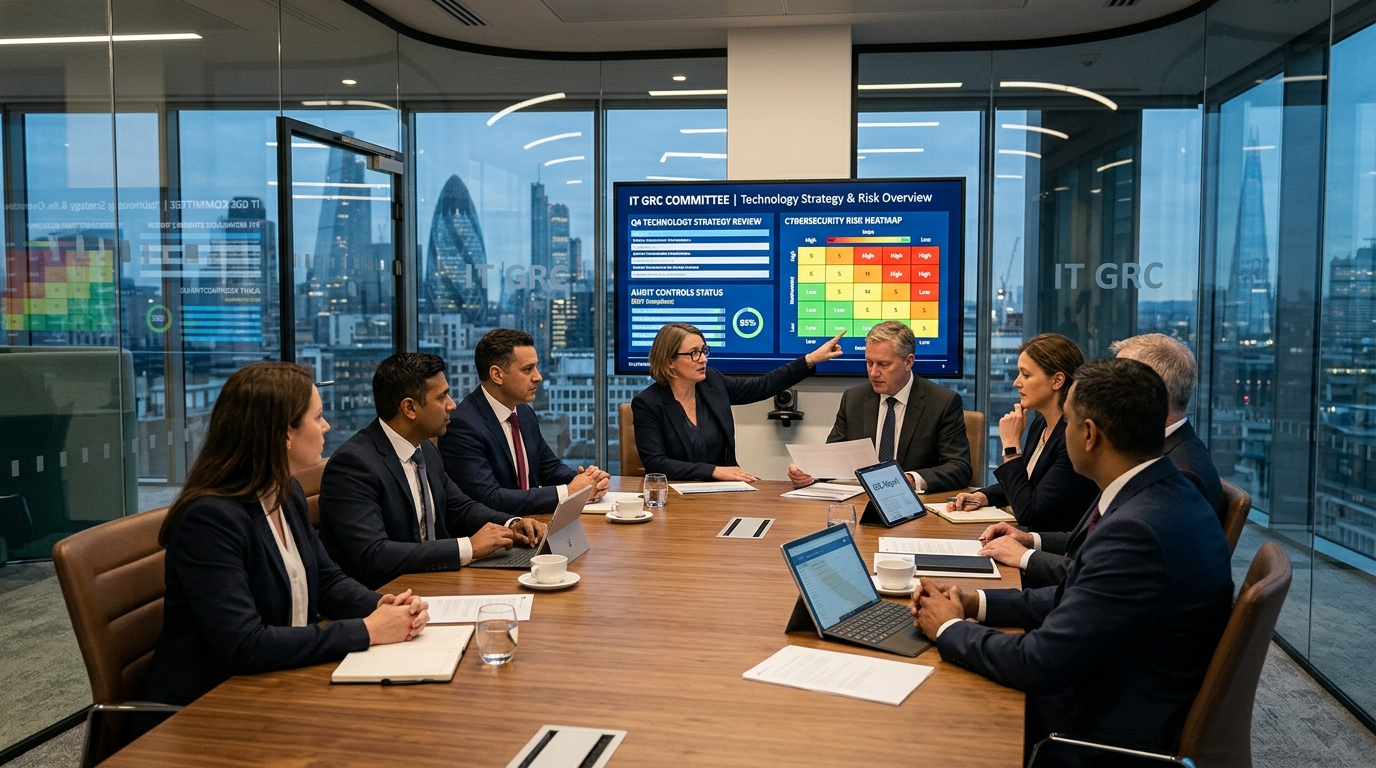
It Governance Grc Board Review
02

Artificial Intelligence & Agentic Systems

Artificial Intelligence is moving rapidly beyond traditional analytics and content generation.

Emerging AI systems can increasingly:

  • Interpret complex information
  • Generate text, images, audio, video, and code
  • Retrieve information from enterprise data
  • Interact with tools
  • Execute multi-step workflows
  • Assist employees
  • Support decisions
  • Coordinate autonomous or semi-autonomous actions

High-priority areas include:

  • Generative AI
  • Large Language Models
  • Multimodal AI
  • Small Language Models
  • Retrieval-Augmented Generation
  • AI copilots
  • AI agents
  • Agentic AI
  • Autonomous workflows
  • AI orchestration
  • AI-powered cybersecurity
  • AI-assisted software development

The strategic question is no longer:

“Should we adopt AI?”

It is:

“Where should AI be deployed, what should it be allowed to do, what controls are required, and how do we measure its value?”

AUTONOMOUS SYSTEMS

Cloud Infrastructure Data Center
03

When Software Begins to Act

Autonomous and semi-autonomous systems combine:

AI + Sensors + Data + Software + Automation + Robotics + Control Systems

These systems can perform tasks with reduced human intervention.

Applications may include:

  • Autonomous vehicles
  • Warehouse robotics
  • Manufacturing systems
  • Agricultural automation
  • Drones
  • Inspection systems
  • Smart logistics
  • Healthcare robotics
  • Industrial operations
  • Defense technologies

Organizations exploring autonomy must also evaluate:

  • Safety
  • Reliability
  • Fail-safe design
  • Human oversight
  • Cybersecurity
  • Accountability
  • Ethical implications
  • Legal responsibility

The future of automation is not simply about machines performing isolated tasks.

It is increasingly about systems that can sense, decide, act, adapt, and coordinate.

DIGITAL TWINS

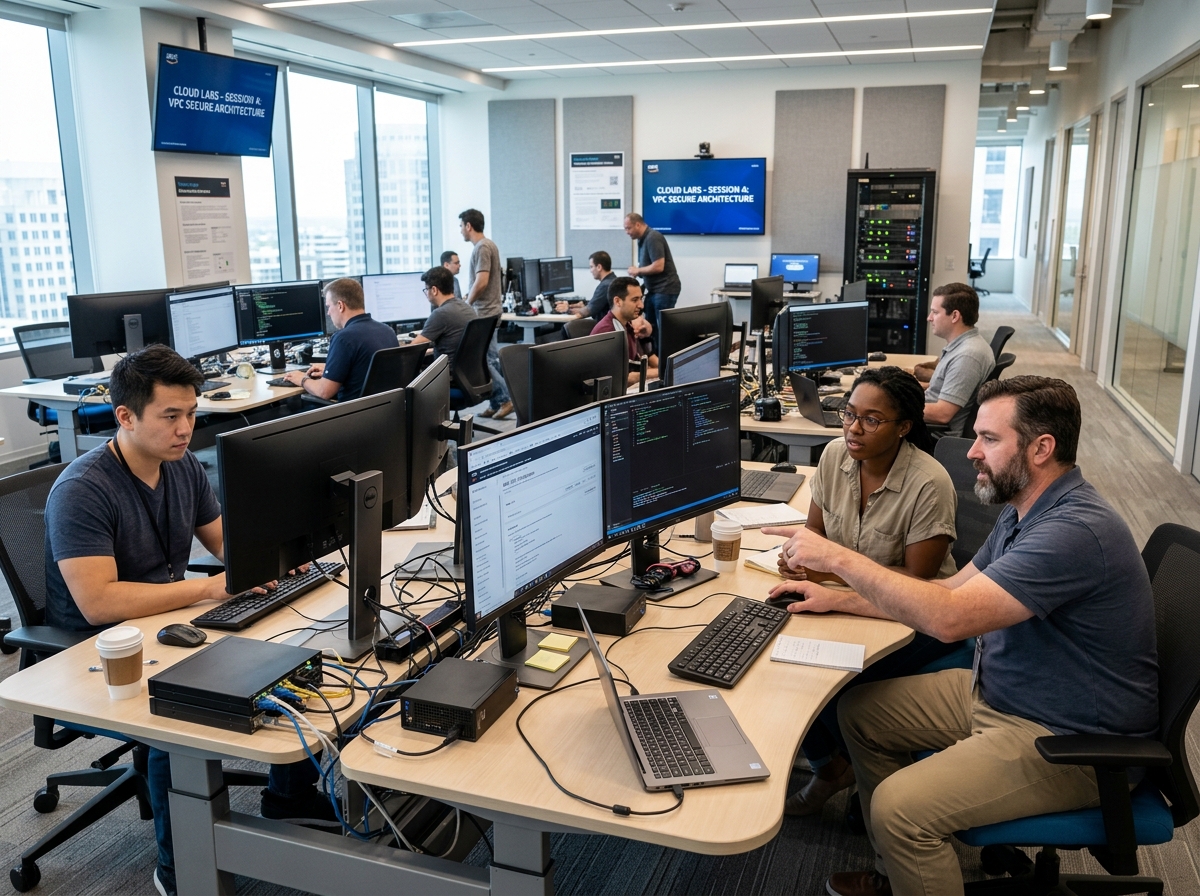
Handson Tech Lab Cohort
04

Create a Digital Representation of the Physical World

Digital twins create virtual representations of:

  • Machines
  • Buildings
  • Factories
  • Infrastructure
  • Vehicles
  • Supply chains
  • Energy systems
  • Processes

A digital twin may combine:

IoT Data + Simulation + Analytics + AI + Historical Data

Organizations can use digital twins for:

  • Predictive maintenance
  • Scenario testing
  • Operational optimization
  • Asset management
  • Quality improvement
  • Capacity planning
  • Risk modeling

Digital twins can help organizations ask:

  • “What is happening now?”
  • “What is likely to happen next?”
  • “What happens if we change this?”
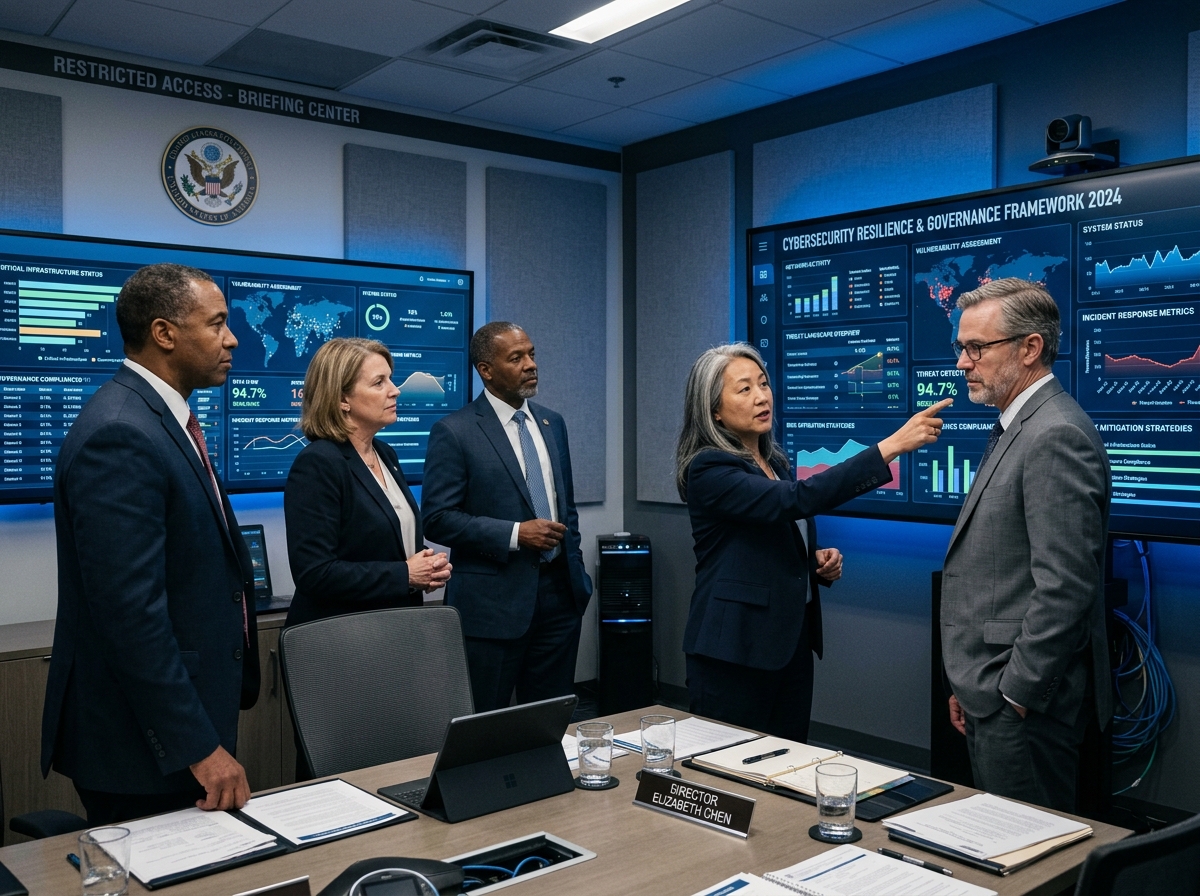
Government Defense Cyber Briefing
05

ROBOTICS & INTELLIGENT AUTOMATION

Robotics is becoming more flexible, connected, and intelligent.

Emerging robotics systems may combine:

  • Computer vision
  • AI
  • Sensors
  • Edge computing
  • Natural-language interfaces
  • Autonomous navigation

Applications include:

  • Warehousing
  • Manufacturing
  • Healthcare
  • Logistics
  • Agriculture
  • Retail
  • Inspection
  • Maintenance

The future workplace may increasingly combine:

Humans + Software Automation + AI Agents + Physical Robotics

Technology governance and risk review
06

SPATIAL COMPUTING & IMMERSIVE TECHNOLOGY

Spatial computing blends digital experiences with physical environments.

Related technologies include:

  • Augmented Reality
  • Virtual Reality
  • Mixed Reality
  • Extended Reality
  • Spatial interfaces
  • 3D digital environments

Potential applications include:

  • Training
  • Product design
  • Maintenance
  • Healthcare
  • Education
  • Simulation
  • Architecture
  • Remote collaboration

EDGE INTELLIGENCE

Cybersecurity Threat Intelligence Hub
07

Move Intelligence Closer to the Source

Cloud computing remains essential, but some applications cannot tolerate the latency or bandwidth requirements of sending all data to a central cloud environment.

Edge intelligence places computing and AI closer to where data is generated.

Potential benefits include:

  • Lower latency
  • Faster decisions
  • Reduced bandwidth
  • Improved resilience
  • Greater privacy
  • Offline capability

Applications include:

  • Smart cameras
  • Robotics
  • Manufacturing
  • Autonomous vehicles
  • Healthcare devices
  • Industrial inspection
Remote Online Proctoring Verification
08

ADVANCED CONNECTIVITY

Emerging digital systems increasingly depend on new connectivity models.

Areas to watch include:

  • Wi-Fi 7
  • 5G Advanced
  • Private 5G
  • Satellite connectivity
  • Low-Earth-orbit communications
  • Software-defined networking
  • Edge networking
  • Network slicing

Connectivity is becoming a strategic enabler for:

  • Automation
  • IoT
  • Smart infrastructure
  • Remote operations
  • Real-time analytics
  • Autonomous systems

EMERGING TECHNOLOGY ASSESSMENT MODEL

Modern Workspace Office
09

Evaluate Before You Adopt

IBACTP® can help organizations assess emerging technologies using a structured model.

STRATEGIC FIT Read this step

Does the technology support the organization’s goals?

  1. 2BUSINESS VALUE

What measurable outcomes could improve?

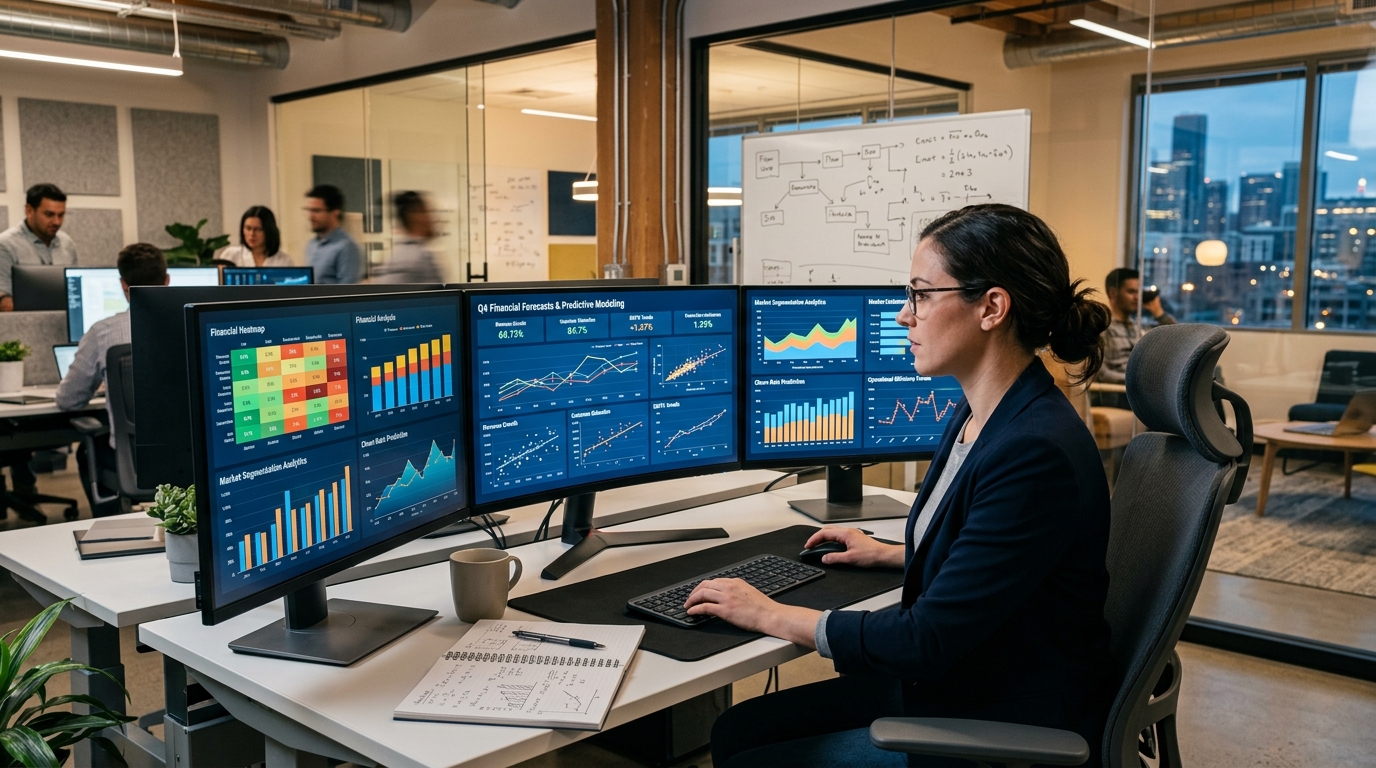
Data Analytics Bi Visualization Lab
10

3. MATURITY

Is the technology experimental, emerging, scalable, or mature?

  1. 4TECHNICAL READINESS

Can current infrastructure support it?

SECURITY RISK Read this step

What new vulnerabilities or attack surfaces are introduced?

DATA REQUIREMENTS Read this step

What data does the technology depend on?

GOVERNANCE Read this step

Who owns decisions, risk, controls, and outcomes?

  1. 8WORKFORCE READINESS

Do employees have the necessary skills?

REGULATORY IMPACT Read this step

What legal or compliance requirements apply?

More in this section
10. COST & SUSTAINABILITY Read this

What is the total cost of:

  • Acquisition
  • Integration
  • Training
  • Operations
  • Security
  • Maintenance
  • Scaling
  • Decommissioning

TECHNOLOGY HORIZON MODEL

Decide What to Adopt, Pilot, Monitor, or Research

HORIZON 1 — ADOPT

Technologies mature enough for operational use now.

HORIZON 2 — PILOT Read this

Promising technologies suitable for controlled experimentation.

HORIZON 3 — MONITOR Read this

Technologies with strategic potential that require continued observation.

HORIZON 4 — RESEARCH Read this

Longer-term technologies that may reshape future markets or operating models.

This helps organizations avoid two costly mistakes:

  • Adopting too early
  • and
  • Reacting too late

EXPLORE EMERGING TECH TRENDS

Emerging Technology Resources

Turn Guidance Into Verified Competence

Pair these resources with an IBACTP® credential that validates the competence they describe.