

IBACTP® — International Board of AI, Cybersecurity & Technology Professionals
Networking Resources

Network Security

Secure the Path Between Everything

The IBACTP® Network Security Resource Center helps professionals protect infrastructure, traffic, identities, devices, applications, and management systems across enterprise, cloud, wireless, and remote environments.

Enterprise network and data-centre infrastructure
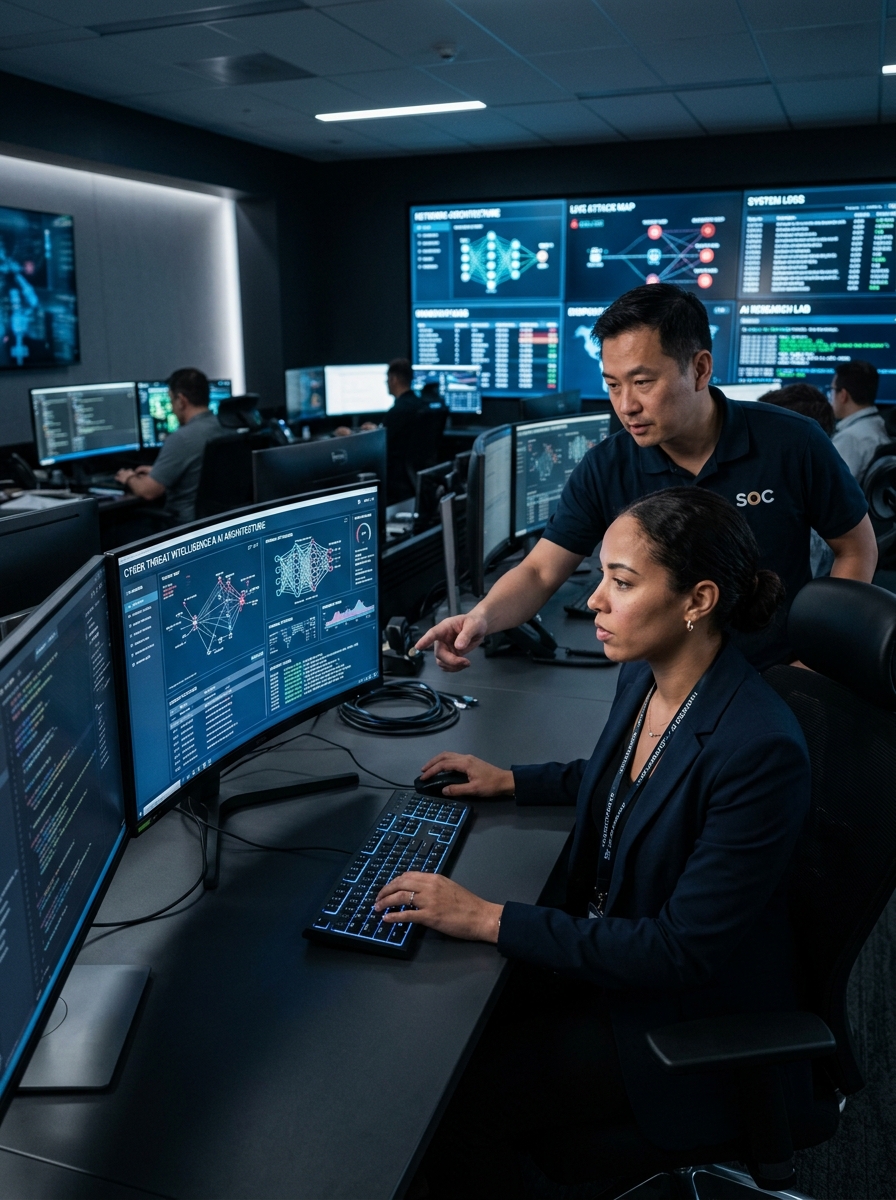
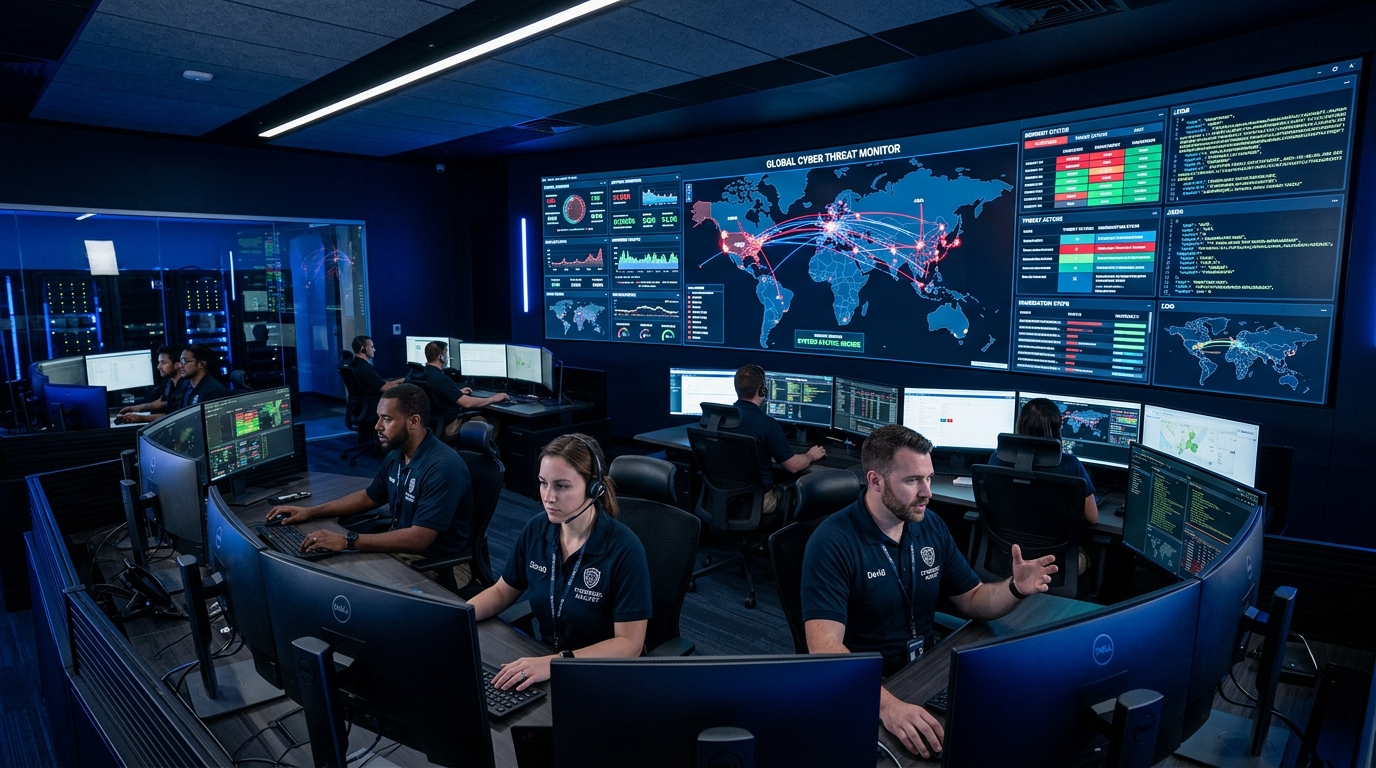
Network operations and monitoring
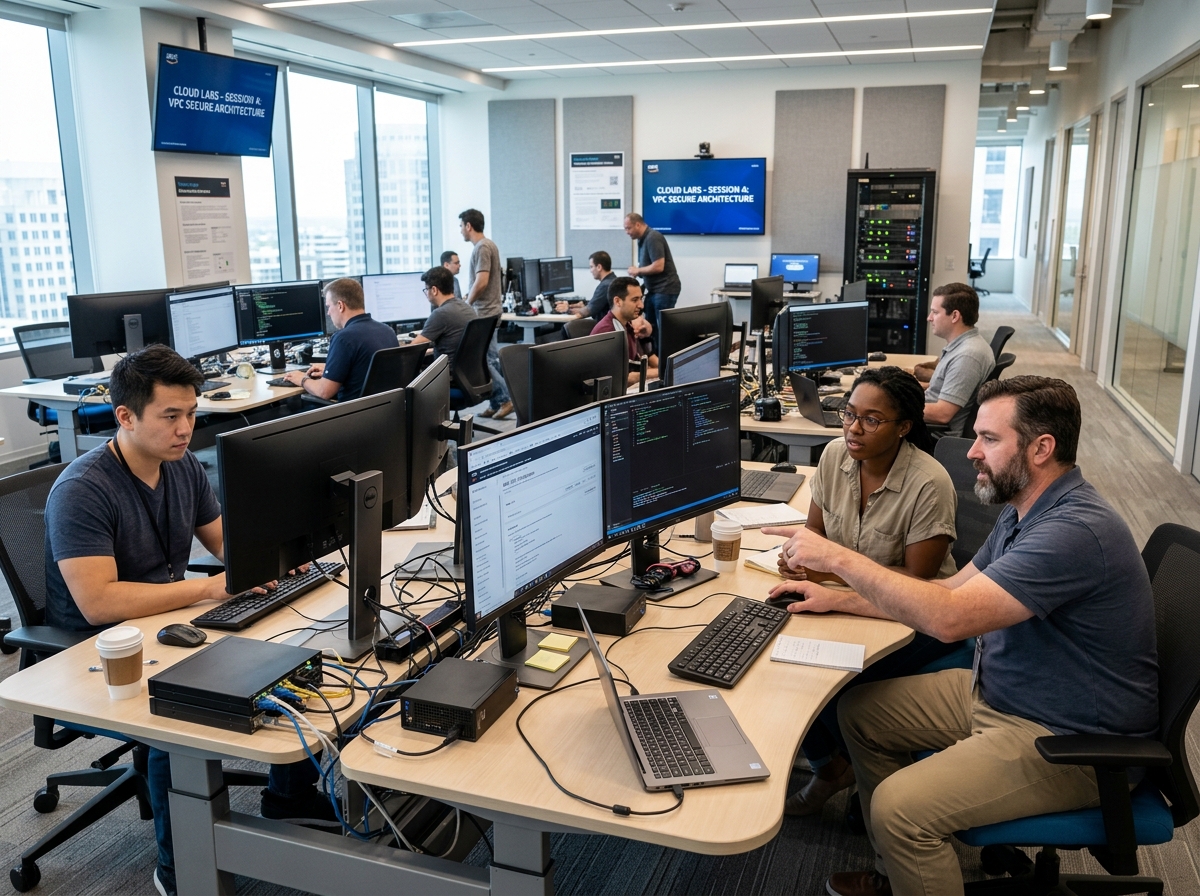
Hands-on networking laboratory
Networking Network Security
Networking resource centers

Select a center to explore guidance, standards and practitioner resources

Resource Library

Secure the Path Between Everything

Cybersecurity Soc Analysts
01

Secure the Path Between Everything

Networks connect critical systems.

That makes them a primary target for attackers.

The IBACTP® Network Security Resource Center helps professionals protect infrastructure, traffic, identities, devices, applications, and management systems across enterprise, cloud, wireless, and remote environments.
It Governance Grc Board Review
02

ZERO TRUST NETWORKING

Traditional security models relied heavily on perimeter trust.

Modern environments require more.

Zero Trust assumes:

No user, device, workload, or connection should be automatically trusted.

Access decisions should consider:

  • Identity
  • Device posture
  • Requested resource
  • Location
  • Context
  • Risk
  • Least privilege
  • Continuous monitoring

SEGMENTATION

Cloud Infrastructure Data Center
03

Limit Lateral Movement

Segmentation reduces the ability of attackers to move freely through an environment.

Organizations can separate:

  • Employees
  • Guests
  • Servers
  • Management
  • IoT
  • Operational technology
  • Development
  • Production
  • Finance
  • Payment systems

Technologies may include:

  • VLANs
  • ACLs
  • Firewalls
  • VRFs
  • Microsegmentation
  • Software-defined segmentation
Handson Tech Lab Cohort
04

NETWORK ACCESS CONTROL

NAC can evaluate:

  • User identity
  • Device identity
  • Device health
  • Authentication method
  • Role
  • Location

Access can then be dynamically restricted.

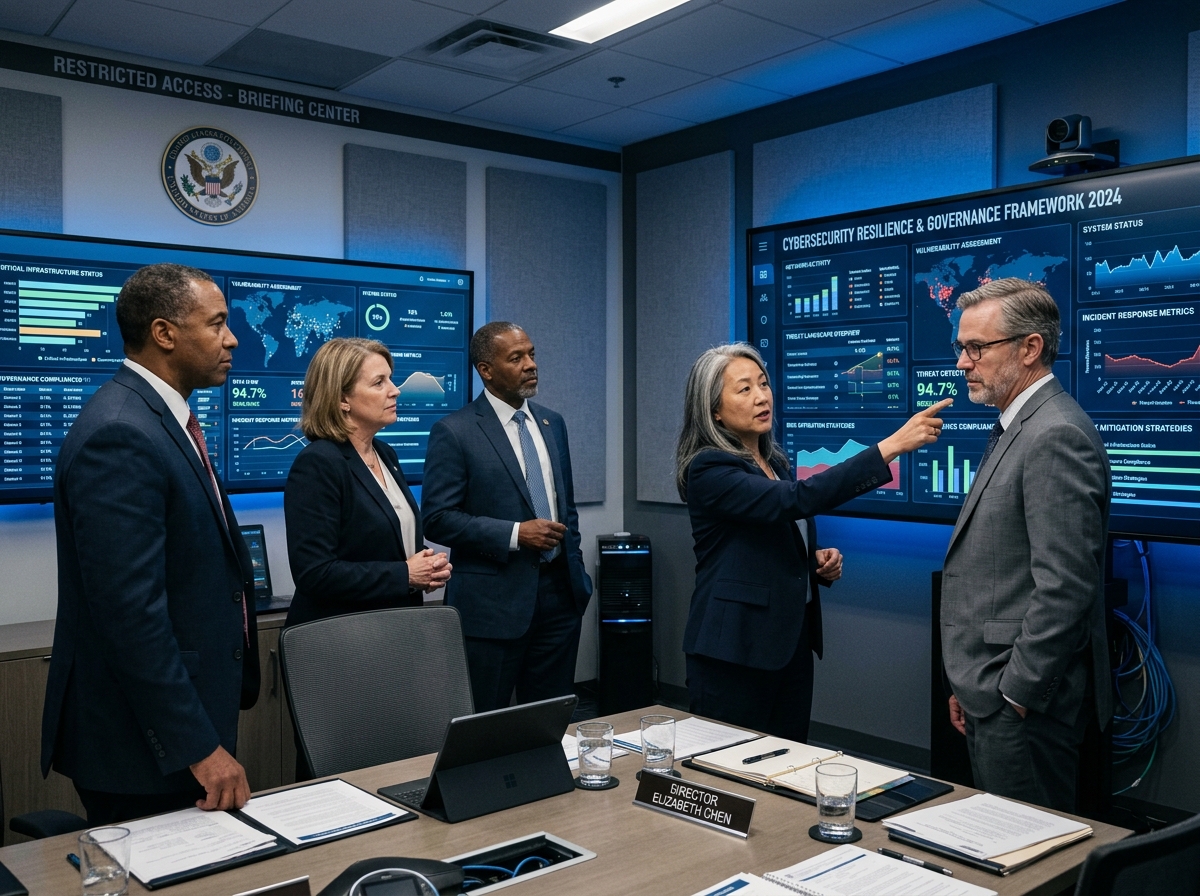
Government Defense Cyber Briefing
05

FIREWALL STRATEGY

Modern firewall architecture may include protection at:

  • Internet edge
  • Data center
  • Cloud
  • Branch
  • Internal segments
  • Applications

Controls may include:

  • Stateful inspection
  • Application identification
  • IPS
  • URL filtering
  • Threat intelligence
  • Identity integration
  • TLS inspection
Technology governance and risk review
06

SECURE THE MANAGEMENT PLANE

Administrative access should be treated as highly sensitive.

Recommended controls include:

  • Dedicated management networks
  • MFA
  • Role-based administration
  • SSH
  • AAA
  • Centralized logging
  • Configuration backup
  • Restricted administrative access
Cybersecurity Threat Intelligence Hub
07

DNS SECURITY

DNS is critical infrastructure.

Security practices may include:

  • DNS filtering
  • Resolver protection
  • DNS logging
  • DNSSEC
  • Threat intelligence
  • Tunneling detection
Remote Online Proctoring Verification
08

DDoS PROTECTION

Organizations should plan for availability attacks targeting:

  • Network bandwidth
  • Infrastructure
  • Transport protocols
  • Applications

Defenses may include:

  • Rate limiting
  • Traffic scrubbing
  • Upstream filtering
  • CDN services
  • Anycast
  • DDoS mitigation services
Modern Workspace Office
09

CLOUD NETWORK SECURITY

Cloud network defenses may include:

  • Security groups
  • Network ACLs
  • Cloud firewalls
  • Private endpoints
  • Centralized inspection
  • Flow logs
  • Secure interconnects
Data Analytics Bi Visualization Lab
10

NETWORK VISIBILITY

You cannot protect what you cannot observe.

Security teams should collect and analyze:

  • Network flows
  • DNS logs
  • Firewall logs
  • Authentication events
  • Routing changes
  • Wireless events
  • IDS/IPS alerts
  • Device telemetry

EXPLORE NETWORK SECURITY

Networking Resources

Turn Guidance Into Verified Competence

Pair these resources with an IBACTP® credential that validates the competence they describe.