



IBACTP® — International Board of AI, Cybersecurity & Technology Professionals
Cybersecurity Resources

Incident Response Guides

Prepare Before the Incident Happens

Organizations should not design their incident-response process while an attack is already underway.

Lifecycle: Govern → Detect → Contain → Eradicate → Recover → Learn
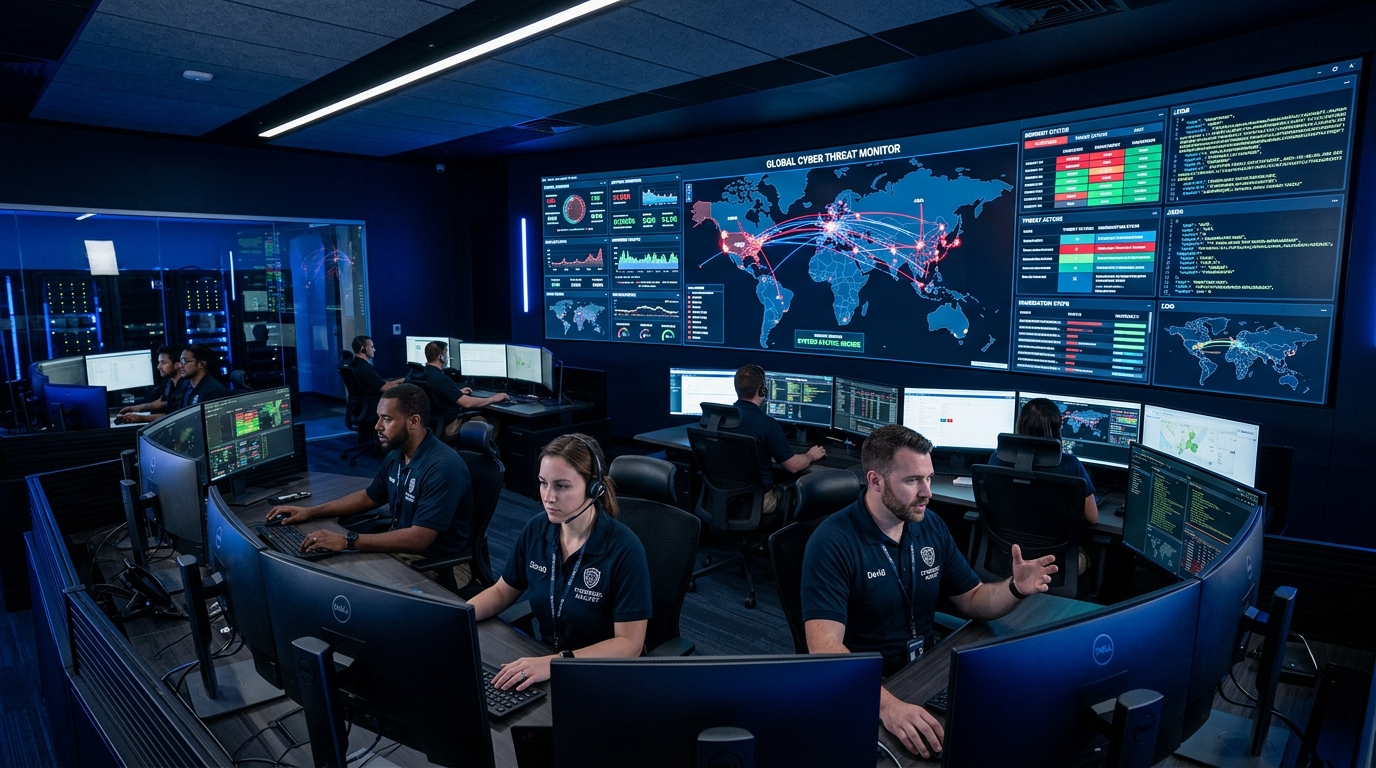
Government Defense Cyber Briefing
Cybersecurity Soc Analysts
It Governance Grc Board Review
Respond Contain & Recover
Cybersecurity resource centers

Select a center to explore guidance, standards and practitioner resources

Resource Library

Prepare Before the Incident Happens

Organizations should not design their incident-response process while an attack is already underway.

Effective incident response requires documented responsibilities, communication channels, decision authorities, technical procedures, evidence-handling practices, recovery plans, and lessons-learned processes.

The Modern Incident Response Lifecycle — IBACTP® recommends organizing incident readiness across the six core operating phases:

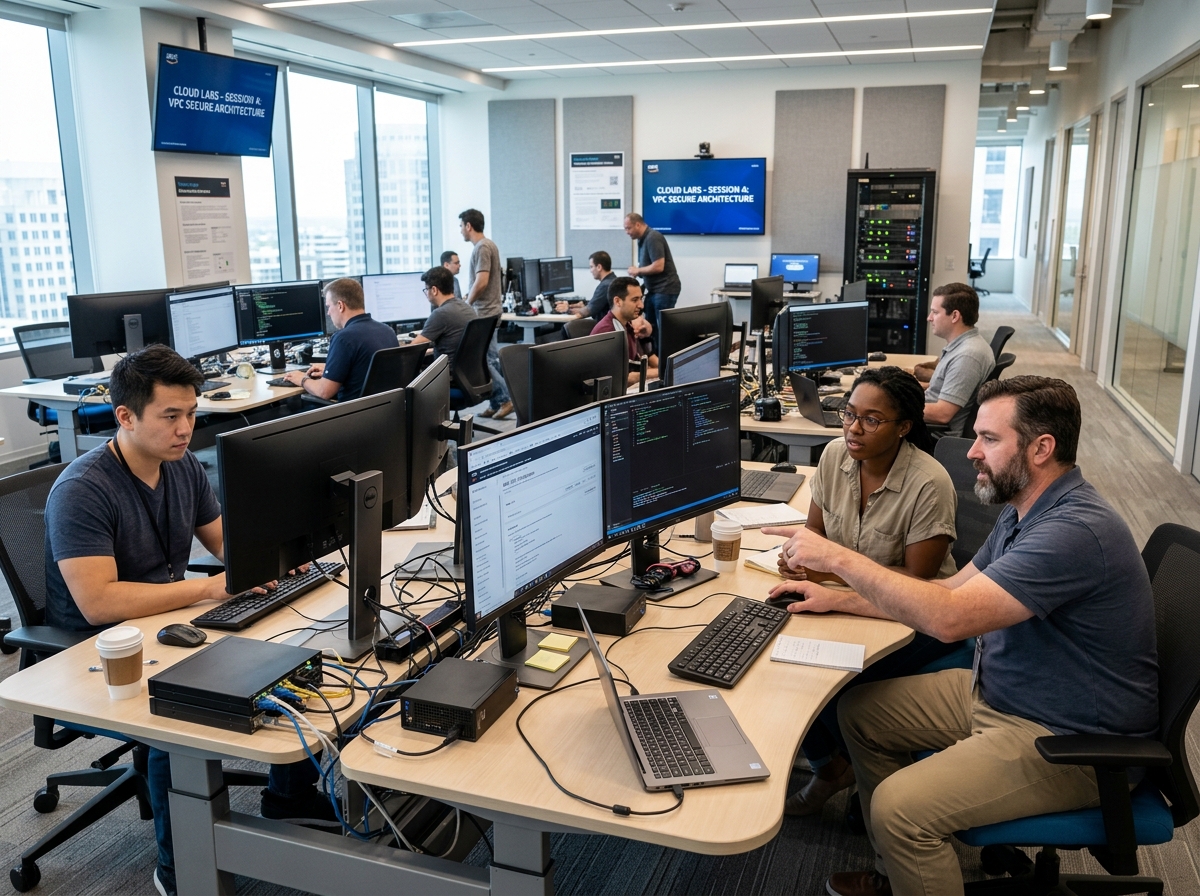
Data Analytics Bi Visualization Lab
Cybersecurity Soc Analysts
01

1. GOVERN & PREPARE

Establish readiness, policies, communication channels, and authority structures before incidents occur.

Preparation activities include:

  • Incident response policy and team charter definition
  • Severity matrix and incident classification standards
  • External legal, regulatory, and PR escalation workflows
  • System and asset inventory maintenance
  • Centralized logging configuration and forensic telemetry
  • Tabletop simulation exercises and backup validation

Review Preparation Checklists

It Governance Grc Board Review
02

2. DETECT & ANALYZE

Rapidly identify, validate, and triage anomalous security alerts and indicator signals.

Core analytical questions include:

  • Initial compromise vector and timeline identification
  • Compromised systems, accounts, and privileged credentials
  • Data exposure, exfiltration, or tampering assessment
  • Ongoing malicious actor persistence mechanisms
  • Business operational impact and financial exposure
  • Forensic evidence preservation and chain-of-custody

Review Triage & Analysis Guides

Cloud Infrastructure Data Center
03

3. CONTAIN

Limit immediate blast radius and stop lateral movement while preserving critical forensics.

Containment strategies include:

  • Endpoint isolation and affected subnet micro-segmentation
  • C2 infrastructure blocking and DNS firewall filtering
  • Compromised account disablement and session revocation
  • Firewall rule adjustments and perimeter hardening
  • Temporary service degradation versus business continuity
  • Forensic memory dumping and disk imaging before shutdown

Review Containment Strategies

Handson Tech Lab Cohort
04

4. ERADICATE

Completely eliminate malware, unauthorized footholds, and root causes from the environment.

Eradication measures include:

  • Root-cause vulnerability patching and remediation
  • Malware, web shell, and persistence script removal
  • Rogue account termination and enterprise credential reset
  • Rebuilding compromised servers from trusted baseline images
  • Correction of vulnerable security misconfigurations
  • Secondary validation scanning and threat hunting

Review Eradication Playbooks

Government Defense Cyber Briefing
05

5. RECOVER

Safely restore systems and business operations with enhanced monitoring and validation.

Recovery workflows include:

  • System restoration from clean, offline immutable backups
  • Staged reconnect with heightened telemetry and logging
  • Integrity verification of restored files and databases
  • User and customer business-service resumption
  • Stakeholder and regulatory notification management
  • Short-term threat monitoring against re-infection

Review Recovery Workflows

Technology governance and risk review
06

6. LEARN & IMPROVE

Conduct comprehensive post-incident analysis to strengthen preventive security controls.

Continuous improvement includes:

  • Blameless post-mortem and root-cause analysis sessions
  • Incident timeline reconstruction and control gap discovery
  • Detection signature and alerting rule enhancements
  • Incident response playbook updates and revisions
  • Security awareness training updates based on real attacks
  • Executive risk reporting and strategic posture investment

Review Post-Incident Guidelines

Cybersecurity Threat Intelligence Hub
07

NIST SP 800-61 Rev 3 & Incident Response Playbook Library

IBACTP® provides specialized operational playbooks and aligns directly with modern federal incident handling standards:

  • NIST SP 800-61 Revision 3 Integration — Modernized incident handling aligned with NIST CSF 2.0.
  • CISA Federal Playbooks — Standardized federal incident and vulnerability response procedures.
  • CISA #StopRansomware Playbook — Targeted guidance for ransomware containment and extortion defense.
  • Core Playbook Library — 12 modular templates covering Cloud, Phishing/BEC, DDoS, Insider, Data Breach, and AI Security incidents.

EXPLORE INCIDENT RESPONSE GUIDES

Cybersecurity Resources

Turn Guidance Into Verified Competence

Pair these resources with an IBACTP® credential that validates the competence they describe.